digital 3

The Ultimate Guide to Digital Marketing in 2025: Strategies, Trends & Tools to Grow Your Business Online – Copy

Digital marketing has become the backbone of modern business growth. In 2025, every brand—small or large—must have a strong digital presence to stay competitive. People no longer rely only on traditional advertising like newspapers, TV, or radio. Instead, they search online, read reviews, browse social media, and make buying decisions based on digital content.

Whether you’re a beginner or a business owner wanting to grow online, this complete guide will help you understand what digital marketing is, how it works, and how you can use its strategies to attract customers, build your brand, and increase sales.

What Is Digital Marketing?

Digital marketing is the practice of promoting products or services using online platforms such as:

  • Search engines
  • Social media
  • Websites
  • Email
  • Mobile apps
  • Online ads

Unlike traditional marketing, digital marketing allows you to:

  • Target the right audience
  • Track performance in real time
  • Spend less and achieve more
  • Personalize messages
  • Scale your business faster

Digital marketing is flexible, affordable, and powerful—making it essential for every business.


Why Digital Marketing Matters in 2025

1. Everyone Is Online

People shop, learn, connect, and interact online every day. A strong online presence builds credibility and trust.

2. Cost-Effective Marketing

Digital campaigns require lower budgets compared to traditional ads but deliver better results.

3. Measurable Results

You can track user behavior, clicks, conversions, and ROI instantly.

4. Personalized Targeting

You can target people based on age, location, interests, behavior, and purchase intent.

5. Builds Brand Awareness

Consistent content helps people remember and trust your brand.

6. Supports All Business Sizes

From small startups to global brands, digital marketing works for everyone.
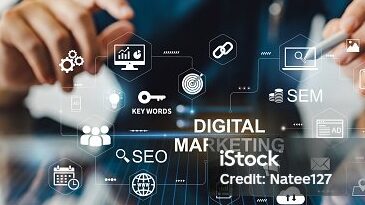
Digital marketing business technology concept. Website advertisement email social media network, SEO, SEM video and mobile application icons in virtual screen.

The Main Components of Digital Marketing

Digital marketing includes many categories. Let’s break them down in simple words.


1. Search Engine Optimization (SEO)

SEO is the process of improving your website to rank higher on Google.

SEO includes:

  • On-page SEO (keywords, content, headings)
  • Off-page SEO (backlinks, social signals)
  • Technical SEO (speed, mobile-friendly design)

Why SEO is important:

  • Brings organic traffic for free
  • Builds brand authority
  • Helps businesses grow long-term

2. Content Marketing

Content marketing focuses on creating and sharing valuable content such as:

  • Blogs
  • Articles
  • Videos
  • Infographics
  • Guides
  • Podcasts

Why it works:

  • Educates your audience
  • Builds trust
  • Boosts search rankings
  • Drives conversions

3. Social Media Marketing

Promoting your brand on platforms like:

  • Instagram
  • Facebook
  • YouTube
  • TikTok
  • LinkedIn
  • Twitter

Benefits:

  • Builds a community
  • Increases brand awareness
  • Drives huge traffic
  • Supports customer engagement

4. Pay-Per-Click Advertising (PPC)

Paid ads on:

  • Google
  • YouTube
  • Instagram
  • Facebook

You pay only when someone clicks your ad.

Why PPC is powerful:

  • Provides instant results
  • Helps target the perfect audience
  • Boosts sales quickly

5. Email Marketing

Email marketing is one of the most effective digital channels.

Benefits:

  • High ROI
  • Builds relationships
  • Automates sales funnels
  • Sends personalized messages

6. Affiliate Marketing

Content creators promote your product and you pay them a commission only when they generate sales.

Great for:

  • E-commerce
  • Online courses
  • Software companies

7. Influencer Marketing

Influencers promote your brand to their followers.

Why it works:

  • Builds trust quickly
  • Reaches a targeted audience
  • Boosts brand visibility

8. Website Design and User Experience (UX)

Modern digital marketing requires a good website.

Your website should be:

  • Fast
  • Mobile-friendly
  • Attractive
  • Easy to navigate

Good design increases conversions and reduces bounce rate.
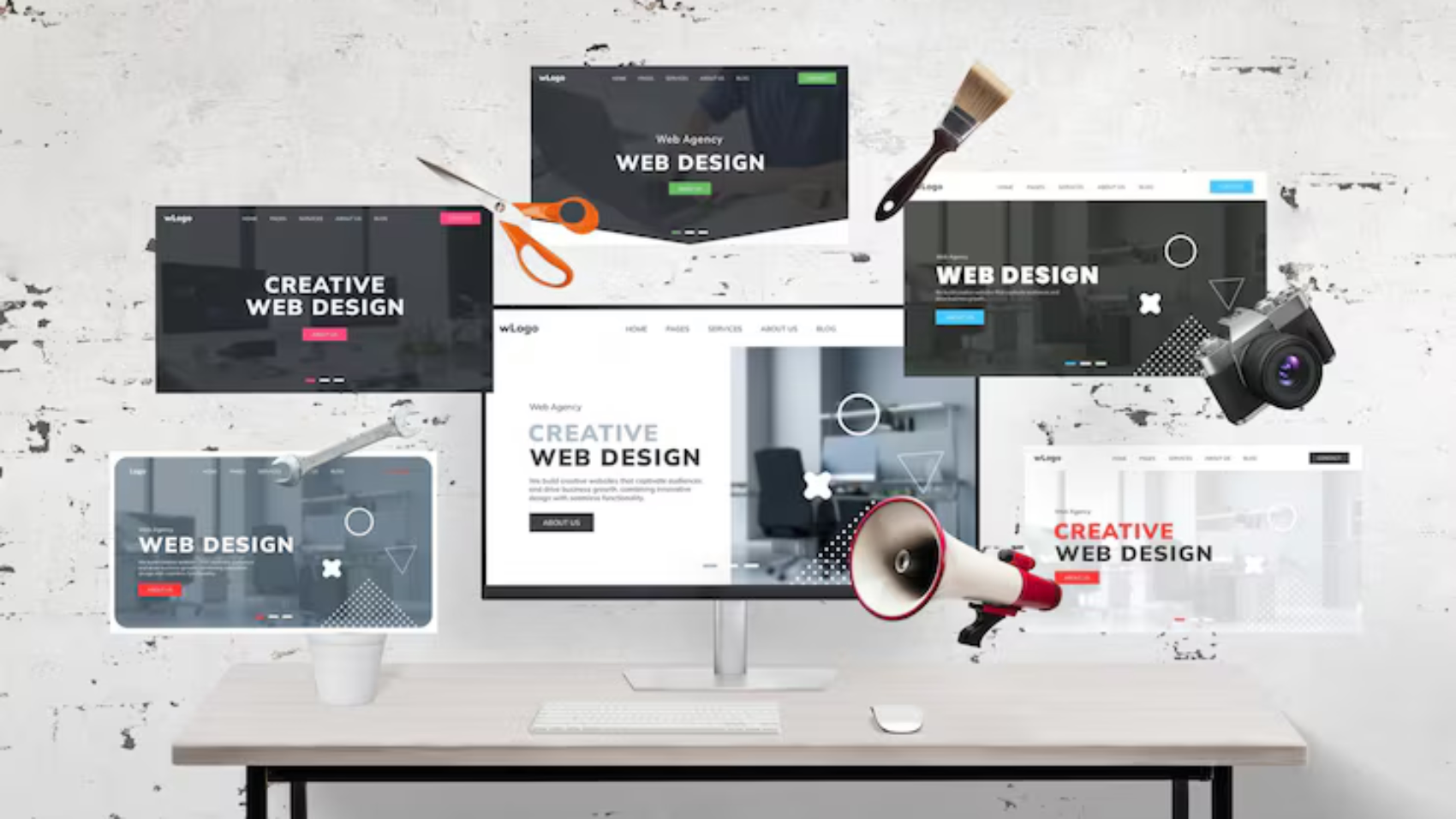
web design 3

The Ultimate Guide to Modern Web Design in 2025: Principles, Trends & Best Practices for High-Converting Websites – Copy

In today’s digital world, your website is more than just an online presence—it is your brand’s identity, your customer’s first impression, and one of the strongest tools for business growth. Web design has evolved significantly over the years, and in 2025, it is a powerful combination of aesthetics, user experience, accessibility, and performance.

A well-designed website can attract users, build trust, generate conversions, and support long-term digital success. In this comprehensive guide, we will explore everything you need to know about modern web design, including its core principles, essential elements, top trends, and best practices to build an effective website.


What Is Web Design?

Web design is the process of creating the visual appearance, layout, structure, and overall experience of a website. It focuses on how the site looks, how easy it is to use, and how well it communicates information to the user.

Modern web design includes:

  • Visual design (colors, fonts, layout)
  • UI (User Interface) design
  • UX (User Experience) design
  • Responsive design for all devices
  • Website structure and navigation
  • Interactivity and animations
  • Basic coding knowledge (HTML, CSS, JavaScript)

The goal of web design is not only to make a website attractive but also to make it functional, accessible, and user-friendly.


Why Web Design Matters in 2025

Your website is the digital storefront of your business. A poorly designed website can make visitors leave in seconds, while a well-designed one can keep them engaged and ready to convert.

1. First Impressions Matter

Users form an opinion about your site within 3 seconds. If the design is outdated, confusing, or slow, they leave.

2. Affects SEO and Google Ranking

Google rewards websites that are fast, mobile-friendly, and easy to navigate.

3. Builds Trust and Credibility

A professional design increases trust, especially for brands selling products or services online.

4. Improves User Experience (UX)

The easier your site is to use, the longer users stay, and the more likely they are to buy.

5. Supports Branding

Web design helps communicate your brand personality and values.


Key Principles of Modern Web Design

To create an effective website, you should follow these core design principles:

1. Simplicity

Less is more. Clean layouts, clear text, and simple navigation help users find what they need quickly.

2. Consistency

Your fonts, colors, buttons, and design elements should remain consistent across all pages.

3. Visual Hierarchy

Use size, colors, spacing, and contrast to highlight important information and guide users.

4. Mobile-First Design

Most users browse on mobile. Your website must adapt seamlessly to all screen sizes.

5. Fast Loading Speed

A website that loads in more than 3 seconds loses 50% of visitors. Optimize images, code, and hosting.

6. Readability

Use clean fonts, proper spacing, and good contrast for easy reading.

7. Easy Navigation

Users should find information quickly with clear menus, buttons, and internal links.

8. Accessibility

Design your website so everyone, including people with disabilities, can use it.

These principles ensure your website looks great, works smoothly, and delivers an excellent user experience.


Essential Elements of a Good Web Design

1. Color Palette

Colors influence emotions. Choose colors that match your brand identity and improve readability.

2. Typography

Use 1–2 professional fonts. Ensure text is readable across all screen sizes.

3. Layout and Spacing

Proper spacing makes your website clean and modern. Use grid systems to organize sections.

4. Images and Graphics

High-quality images make your website visually appealing. Use compressed images to avoid slow loading.

5. Call-To-Action (CTA) Buttons

Buttons like “Buy Now,” “Sign Up,” and “Contact Us” should stand out clearly.

6. Navigation Menu

Keep the menu simple, clear, and consistent. Too many items confuse users.

7. Footer Section

Include important links like:

  • Contact info
  • Social media
  • FAQs
  • Terms & privacy policy

8. Forms

Keep forms simple. Ask only for necessary information.


User Experience (UX) in Web Design

UX focuses on how users interact with the website and how easy it is for them to complete tasks.

Good UX means:

  • Simple navigation
  • Fast loading pages
  • Helpful content
  • Clear CTAs
  • Mobile responsiveness

A good UX design increases:

  • Conversions
  • Engagement
  • Customer satisfaction

Responsive Web Design

Responsive design ensures your website works well on:

  • Mobile phones
  • Tablets
  • Laptops
  • Desktop monitors

In 2025, responsive design is not optional—it’s essential. Google ranks mobile-friendly websites higher.

To achieve responsiveness:

  • Use flexible layouts
  • Auto-scaling images
  • Fluid grids
  • Mobile-optimized navigation

Web Design Tools Used in 2025

Design Tools

  • Figma
  • Adobe XD
  • Sketch
  • Canva

Website Builders

  • WordPress
  • Webflow
  • Wix
  • Shopify (for eCommerce)

Coding Tools

  • VS Code
  • HTML
  • CSS
  • JavaScript

These tools help build visually appealing and functional websites.


Top Web Design Trends in 2025

Web design evolves with user expectations and technology. Here are the biggest trends shaping 2025:

1. Minimalistic and Clean Design

Simple, distraction-free layouts are becoming more popular.

2. Dark Mode

Users love dark mode for its modern look and reduced strain on eyes.

3. 3D Visuals and Micro-Animations

Small animations create a more interactive user experience.

4. AI-Driven Personalization

Websites that customize content for each user improve engagement.

5. Voice-Enabled Interfaces

Voice search is increasing, and websites now include voice navigation.

6. Neumorphism and Glassmorphism

Soft shadows and glass-like designs make websites more futuristic.

7. Full-Screen Hero Sections

Large, bold hero banners are popular for making a strong first impression.

8. Fast, Lightweight Design

Speed is more important than heavy animations or clutter.

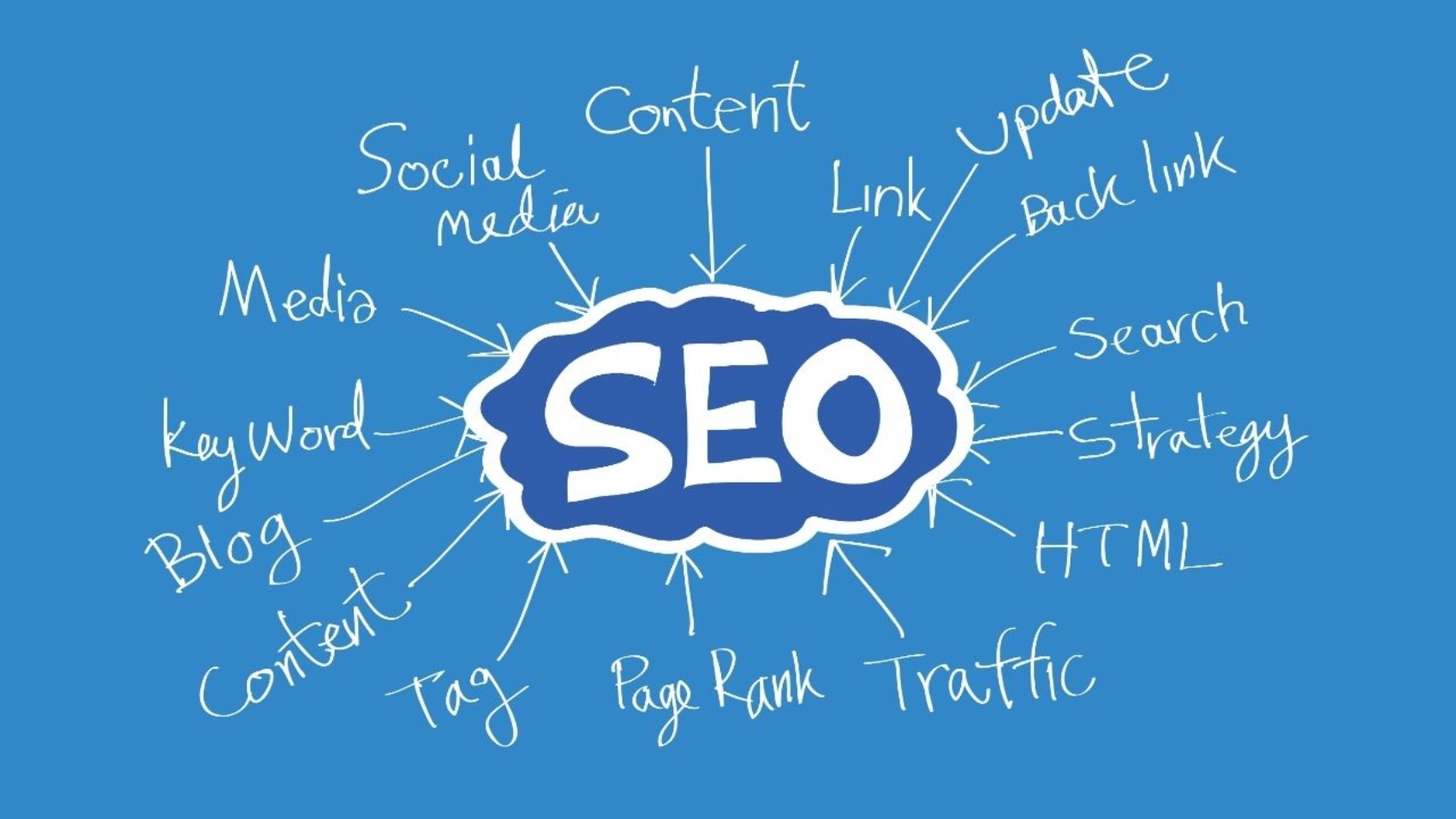
seo

The Complete SEO Guide 2025: Stratgies, Tips, & Best Practices to Rank #1 on Google – Copy

Search Engine Optimization (SEO) continues to be one of the most powerful digital marketing strategies for increasing organic traffic, brand visibility, and conversions. As algorithms evolve, user behavior changes, and AI becomes more integrated into search engines, businesses need to adapt and use updated SEO techniques to remain competitive. This guide breaks down everything you need to know about SEO in 2025, including strategies, trends, and best practices to help your website achieve higher rankings on Google.


What Is SEO?

SEO stands for Search Engine Optimization, the process of improving your website to increase its visibility on search engines like Google, Bing, and Yahoo. When someone searches for a product, service, or question related to your business, SEO helps your website appear at the top of the results.

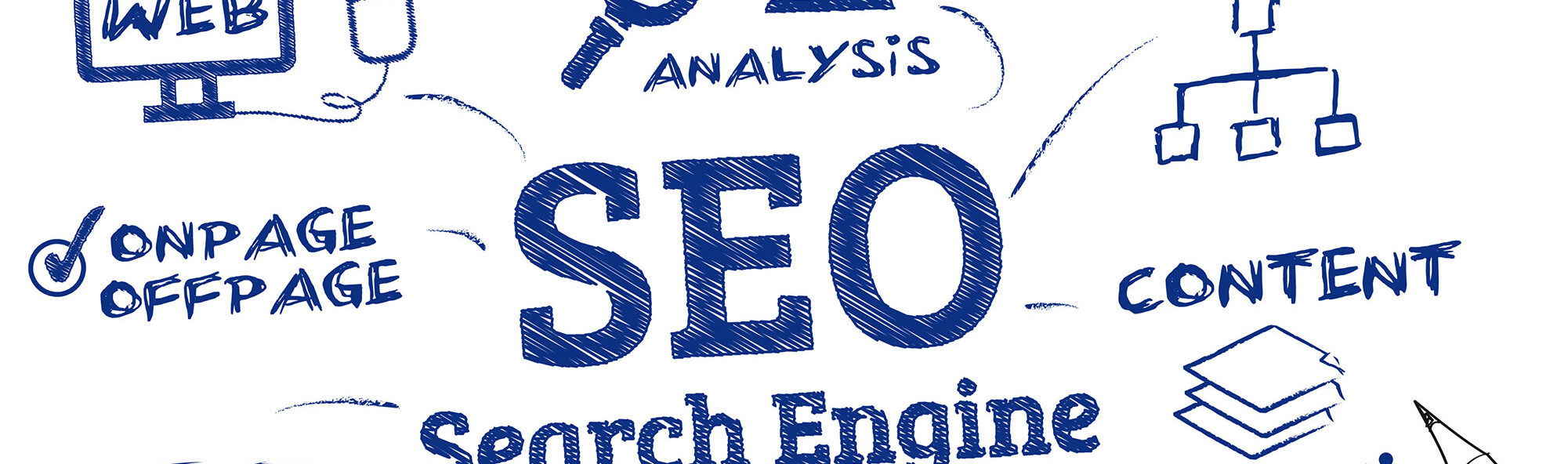
SEO includes three major components:

  1. On-Page SEO – optimizing content, keywords, headings, and internal links.
  2. Off-Page SEO – building backlinks and improving online reputation.
  3. Technical SEO – improving website structure, speed, and crawlability.

When these three work together, your website becomes more visible, trustworthy, and rank-worthy.


Why SEO Is Still Important in 2025

Some people believe AI or paid ads will replace SEO, but trends show the opposite. SEO remains crucial because:

1. Organic Traffic Is Free and Long-Term

Once your website ranks, it brings traffic for months or even years without extra spending.

2. Trust and Credibility

Users trust organic results more than paid ads. Ranking higher builds brand authority.

3. SEO Supports All Marketing Channels

Content marketing, social media, PR, and email marketing all benefit from strong SEO.

4. AI Search Still Depends on SEO

Even AI-powered search tools (like Google SGE) rely on optimized, high-quality website content.


How Search Engines Work (Simple Explanation)

Search engines follow three main steps:

1. Crawling

Bots scan the web to discover pages.

2. Indexing

Pages are stored in Google’s massive database.

3. Ranking

Pages are ranked based on relevance and authority.

Your goal in SEO is to make crawling and indexing easy while providing valuable content that ranks.


Keyword Research: The Foundation of SEO

Keyword research helps you understand what people are searching for and allows you to create content that answers their queries.

Types of Keywords

TypeExamplePurpose
Short-tail“SEO”High volume, high competition
Long-tail“best SEO strategies for beginners”Lower competition, higher conversions
Buyer-intent“best laptop under 50,000”Drives sales
Local keywords“best restaurant near me”Local SEO

Best Tools for Keyword Research

  • Google Keyword Planner
  • Ahrefs
  • Semrush
  • Ubersuggest
  • Google Trends

Choose keywords with:

  • Good search volume
  • Low to medium competition
  • High search intent

On-Page SEO Best Practices for 2025

On-page SEO involves optimizing everything on your website to make it user-friendly and relevant.

1. Write High-Quality, Helpful Content

Google rewards content that is:

  • Original
  • Fact-based
  • Helpful
  • Well-structured

Follow EEAT:

  • Experience
  • Expertise
  • Authoritativeness
  • Trustworthiness

2. Optimize Title Tags and Meta Descriptions

  • Include your main keyword
  • Keep it clear and attractive
  • Avoid keyword stuffing

3. Use Proper Heading Structure (H1, H2, H3)

Search engines understand your content better when it’s organized.

4. Keyword Placement

Add keywords in:

  • First paragraph
  • Headings
  • URL
  • Image alt text
  • Conclusion

But keep everything natural.

5. Internal Linking

Link to relevant pages to improve navigation and reduce bounce rate.

6. Image Optimization

  • Use compressed images
  • Add alt text
  • Use descriptive file names

7. Add FAQ Section

This helps you appear in Google’s People Also Ask (PAA) section.

digital 3

The Ultimate Guide to Digital Marketing in 2025: Strategies, Trends & Tools to Grow Your Business Online

Digital marketing has become the backbone of modern business growth. In 2025, every brand—small or large—must have a strong digital presence to stay competitive. People no longer rely only on traditional advertising like newspapers, TV, or radio. Instead, they search online, read reviews, browse social media, and make buying decisions based on digital content.

Whether you’re a beginner or a business owner wanting to grow online, this complete guide will help you understand what digital marketing is, how it works, and how you can use its strategies to attract customers, build your brand, and increase sales.


What Is Digital Marketing?

Digital marketing is the practice of promoting products or services using online platforms such as:

  • Search engines
  • Social media
  • Websites
  • Email
  • Mobile apps
  • Online ads

Unlike traditional marketing, digital marketing allows you to:

  • Target the right audience
  • Track performance in real time
  • Spend less and achieve more
  • Personalize messages
  • Scale your business faster

Digital marketing is flexible, affordable, and powerful—making it essential for every business.


Why Digital Marketing Matters in 2025

1. Everyone Is Online

People shop, learn, connect, and interact online every day. A strong online presence builds credibility and trust.

2. Cost-Effective Marketing

Digital campaigns require lower budgets compared to traditional ads but deliver better results.

3. Measurable Results

You can track user behavior, clicks, conversions, and ROI instantly.

4. Personalized Targeting

You can target people based on age, location, interests, behavior, and purchase intent.

5. Builds Brand Awareness

Consistent content helps people remember and trust your brand.

6. Supports All Business Sizes

From small startups to global brands, digital marketing works for everyone.

Digital marketing business technology concept. Website advertisement email social media network, SEO, SEM video and mobile application icons in virtual screen.

The Main Components of Digital Marketing

Digital marketing includes many categories. Let’s break them down in simple words.


1. Search Engine Optimization (SEO)

SEO is the process of improving your website to rank higher on Google.

SEO includes:

  • On-page SEO (keywords, content, headings)
  • Off-page SEO (backlinks, social signals)
  • Technical SEO (speed, mobile-friendly design)

Why SEO is important:

  • Brings organic traffic for free
  • Builds brand authority
  • Helps businesses grow long-term

2. Content Marketing

Content marketing focuses on creating and sharing valuable content such as:

  • Blogs
  • Articles
  • Videos
  • Infographics
  • Guides
  • Podcasts

Why it works:

  • Educates your audience
  • Builds trust
  • Boosts search rankings
  • Drives conversions

3. Social Media Marketing

Promoting your brand on platforms like:

  • Instagram
  • Facebook
  • YouTube
  • TikTok
  • LinkedIn
  • Twitter

Benefits:

  • Builds a community
  • Increases brand awareness
  • Drives huge traffic
  • Supports customer engagement

4. Pay-Per-Click Advertising (PPC)

Paid ads on:

  • Google
  • YouTube
  • Instagram
  • Facebook

You pay only when someone clicks your ad.

Why PPC is powerful:

  • Provides instant results
  • Helps target the perfect audience
  • Boosts sales quickly

5. Email Marketing

Email marketing is one of the most effective digital channels.

Benefits:

  • High ROI
  • Builds relationships
  • Automates sales funnels
  • Sends personalized messages

6. Affiliate Marketing

Content creators promote your product and you pay them a commission only when they generate sales.

Great for:

  • E-commerce
  • Online courses
  • Software companies

7. Influencer Marketing

Influencers promote your brand to their followers.

Why it works:

  • Builds trust quickly
  • Reaches a targeted audience
  • Boosts brand visibility

8. Website Design and User Experience (UX)

Modern digital marketing requires a good website.

Your website should be:

  • Fast
  • Mobile-friendly
  • Attractive
  • Easy to navigate

Good design increases conversions and reduces bounce rate.
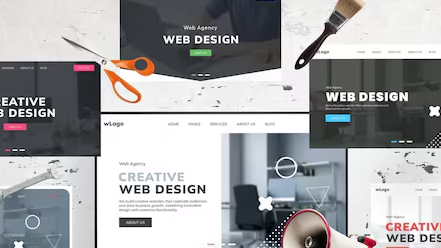
web design 3

The Ultimate Guide to Modern Web Design in 2025: Principles, Trends & Best Practices for High-Converting Websites

In today’s digital world, your website is more than just an online presence—it is your brand’s identity, your customer’s first impression, and one of the strongest tools for business growth. Web design has evolved significantly over the years, and in 2025, it is a powerful combination of aesthetics, user experience, accessibility, and performance.

A well-designed website can attract users, build trust, generate conversions, and support long-term digital success. In this comprehensive guide, we will explore everything you need to know about modern web design, including its core principles, essential elements, top trends, and best practices to build an effective website.


What Is Web Design?

Web design is the process of creating the visual appearance, layout, structure, and overall experience of a website. It focuses on how the site looks, how easy it is to use, and how well it communicates information to the user.

Modern web design includes:

  • Visual design (colors, fonts, layout)
  • UI (User Interface) design
  • UX (User Experience) design
  • Responsive design for all devices
  • Website structure and navigation
  • Interactivity and animations
  • Basic coding knowledge (HTML, CSS, JavaScript)

The goal of web design is not only to make a website attractive but also to make it functional, accessible, and user-friendly.


Why Web Design Matters in 2025

Your website is the digital storefront of your business. A poorly designed website can make visitors leave in seconds, while a well-designed one can keep them engaged and ready to convert.

1. First Impressions Matter

Users form an opinion about your site within 3 seconds. If the design is outdated, confusing, or slow, they leave.

2. Affects SEO and Google Ranking

Google rewards websites that are fast, mobile-friendly, and easy to navigate.

3. Builds Trust and Credibility

A professional design increases trust, especially for brands selling products or services online.

4. Improves User Experience (UX)

The easier your site is to use, the longer users stay, and the more likely they are to buy.

5. Supports Branding

Web design helps communicate your brand personality and values.


Key Principles of Modern Web Design

To create an effective website, you should follow these core design principles:

1. Simplicity

Less is more. Clean layouts, clear text, and simple navigation help users find what they need quickly.

2. Consistency

Your fonts, colors, buttons, and design elements should remain consistent across all pages.

3. Visual Hierarchy

Use size, colors, spacing, and contrast to highlight important information and guide users.

4. Mobile-First Design

Most users browse on mobile. Your website must adapt seamlessly to all screen sizes.

5. Fast Loading Speed

A website that loads in more than 3 seconds loses 50% of visitors. Optimize images, code, and hosting.

6. Readability

Use clean fonts, proper spacing, and good contrast for easy reading.

7. Easy Navigation

Users should find information quickly with clear menus, buttons, and internal links.

8. Accessibility

Design your website so everyone, including people with disabilities, can use it.

These principles ensure your website looks great, works smoothly, and delivers an excellent user experience.


Essential Elements of a Good Web Design

1. Color Palette

Colors influence emotions. Choose colors that match your brand identity and improve readability.

2. Typography

Use 1–2 professional fonts. Ensure text is readable across all screen sizes.

3. Layout and Spacing

Proper spacing makes your website clean and modern. Use grid systems to organize sections.

4. Images and Graphics

High-quality images make your website visually appealing. Use compressed images to avoid slow loading.

5. Call-To-Action (CTA) Buttons

Buttons like “Buy Now,” “Sign Up,” and “Contact Us” should stand out clearly.

6. Navigation Menu

Keep the menu simple, clear, and consistent. Too many items confuse users.

7. Footer Section

Include important links like:

  • Contact info
  • Social media
  • FAQs
  • Terms & privacy policy

8. Forms

Keep forms simple. Ask only for necessary information.


User Experience (UX) in Web Design

UX focuses on how users interact with the website and how easy it is for them to complete tasks.

Good UX means:

  • Simple navigation
  • Fast loading pages
  • Helpful content
  • Clear CTAs
  • Mobile responsiveness

A good UX design increases:

  • Conversions
  • Engagement
  • Customer satisfaction

Responsive Web Design

Responsive design ensures your website works well on:

  • Mobile phones
  • Tablets
  • Laptops
  • Desktop monitors

In 2025, responsive design is not optional—it’s essential. Google ranks mobile-friendly websites higher.

To achieve responsiveness:

  • Use flexible layouts
  • Auto-scaling images
  • Fluid grids
  • Mobile-optimized navigation

Web Design Tools Used in 2025

Design Tools

  • Figma
  • Adobe XD
  • Sketch
  • Canva

Website Builders

  • WordPress
  • Webflow
  • Wix
  • Shopify (for eCommerce)

Coding Tools

  • VS Code
  • HTML
  • CSS
  • JavaScript

These tools help build visually appealing and functional websites.


Top Web Design Trends in 2025

Web design evolves with user expectations and technology. Here are the biggest trends shaping 2025:

1. Minimalistic and Clean Design

Simple, distraction-free layouts are becoming more popular.

2. Dark Mode

Users love dark mode for its modern look and reduced strain on eyes.

3. 3D Visuals and Micro-Animations

Small animations create a more interactive user experience.

4. AI-Driven Personalization

Websites that customize content for each user improve engagement.

5. Voice-Enabled Interfaces

Voice search is increasing, and websites now include voice navigation.

6. Neumorphism and Glassmorphism

Soft shadows and glass-like designs make websites more futuristic.

7. Full-Screen Hero Sections

Large, bold hero banners are popular for making a strong first impression.

8. Fast, Lightweight Design

Speed is more important than heavy animations or clutter.

seo

The Complete SEO Guide 2025: Stratgies, Tips, & Best Practices to Rank #1 on Google

Search Engine Optimization (SEO) continues to be one of the most powerful digital marketing strategies for increasing organic traffic, brand visibility, and conversions. As algorithms evolve, user behavior changes, and AI becomes more integrated into search engines, businesses need to adapt and use updated SEO techniques to remain competitive. This guide breaks down everything you need to know about SEO in 2025, including strategies, trends, and best practices to help your website achieve higher rankings on Google.


What Is SEO?

SEO stands for Search Engine Optimization, the process of improving your website to increase its visibility on search engines like Google, Bing, and Yahoo. When someone searches for a product, service, or question related to your business, SEO helps your website appear at the top of the results.

SEO includes three major components:

  1. On-Page SEO – optimizing content, keywords, headings, and internal links.
  2. Off-Page SEO – building backlinks and improving online reputation.
  3. Technical SEO – improving website structure, speed, and crawlability.

When these three work together, your website becomes more visible, trustworthy, and rank-worthy.


Why SEO Is Still Important in 2025

Some people believe AI or paid ads will replace SEO, but trends show the opposite. SEO remains crucial because:

1. Organic Traffic Is Free and Long-Term

Once your website ranks, it brings traffic for months or even years without extra spending.

2. Trust and Credibility

Users trust organic results more than paid ads. Ranking higher builds brand authority.

3. SEO Supports All Marketing Channels

Content marketing, social media, PR, and email marketing all benefit from strong SEO.

4. AI Search Still Depends on SEO

Even AI-powered search tools (like Google SGE) rely on optimized, high-quality website content.


How Search Engines Work (Simple Explanation)

Search engines follow three main steps:

1. Crawling

Bots scan the web to discover pages.

2. Indexing

Pages are stored in Google’s massive database.

3. Ranking

Pages are ranked based on relevance and authority.

Your goal in SEO is to make crawling and indexing easy while providing valuable content that ranks.


Keyword Research: The Foundation of SEO

Keyword research helps you understand what people are searching for and allows you to create content that answers their queries.

Types of Keywords

TypeExamplePurpose
Short-tail“SEO”High volume, high competition
Long-tail“best SEO strategies for beginners”Lower competition, higher conversions
Buyer-intent“best laptop under 50,000”Drives sales
Local keywords“best restaurant near me”Local SEO

Best Tools for Keyword Research

  • Google Keyword Planner
  • Ahrefs
  • Semrush
  • Ubersuggest
  • Google Trends

Choose keywords with:

  • Good search volume
  • Low to medium competition
  • High search intent

On-Page SEO Best Practices for 2025

On-page SEO involves optimizing everything on your website to make it user-friendly and relevant.

1. Write High-Quality, Helpful Content

Google rewards content that is:

  • Original
  • Fact-based
  • Helpful
  • Well-structured

Follow EEAT:

  • Experience
  • Expertise
  • Authoritativeness
  • Trustworthiness

2. Optimize Title Tags and Meta Descriptions

  • Include your main keyword
  • Keep it clear and attractive
  • Avoid keyword stuffing

3. Use Proper Heading Structure (H1, H2, H3)

Search engines understand your content better when it’s organized.

4. Keyword Placement

Add keywords in:

  • First paragraph
  • Headings
  • URL
  • Image alt text
  • Conclusion

But keep everything natural.

5. Internal Linking

Link to relevant pages to improve navigation and reduce bounce rate.

6. Image Optimization

  • Use compressed images
  • Add alt text
  • Use descriptive file names

7. Add FAQ Section

This helps you appear in Google’s People Also Ask (PAA) section.