
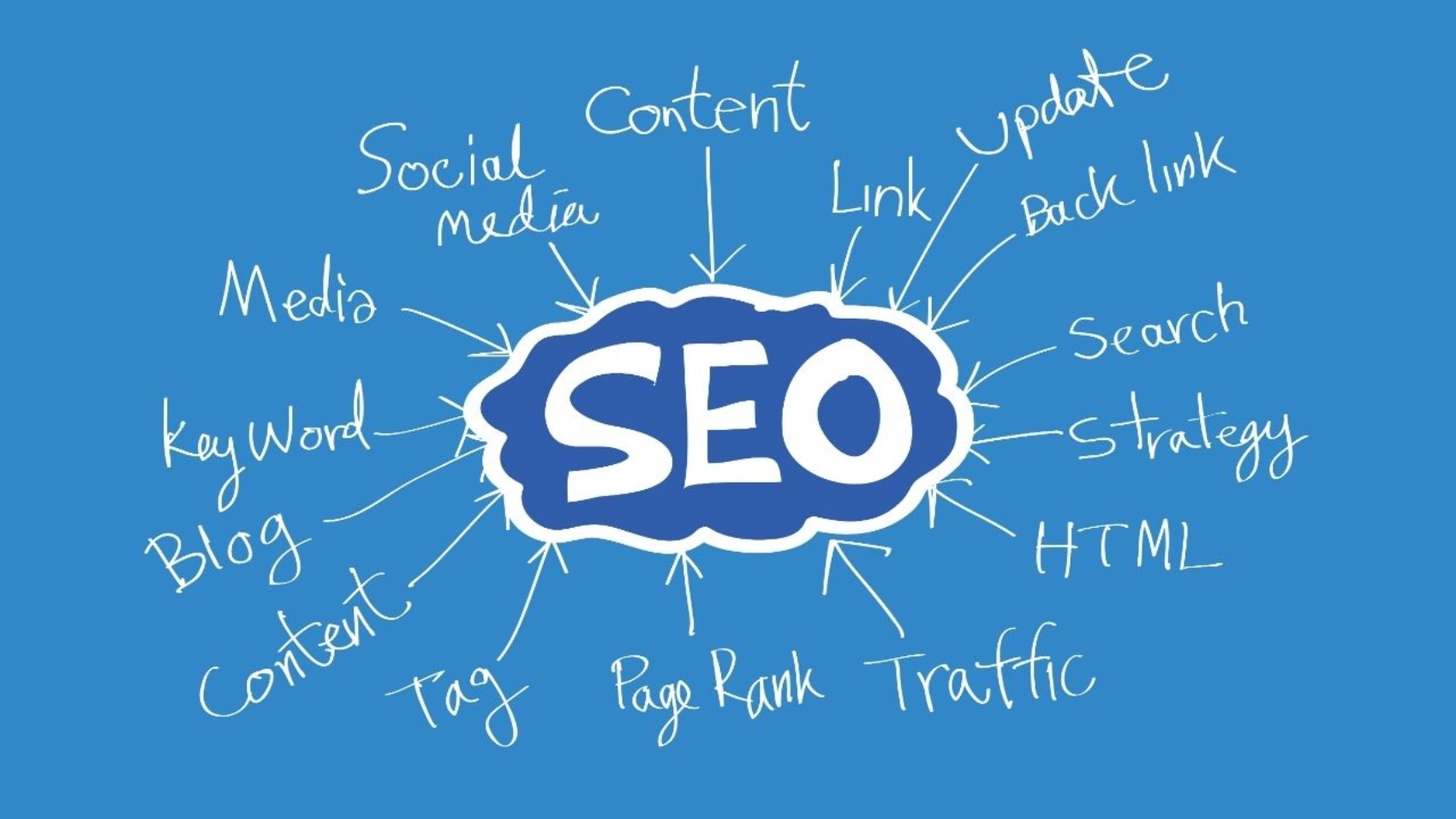
Search Engine Optimization (SEO) continues to be one of the most powerful digital marketing strategies for increasing organic traffic, brand visibility, and conversions. As algorithms evolve, user behavior changes, and AI becomes more integrated into search engines, businesses need to adapt and use updated SEO techniques to remain competitive. This guide breaks down everything you need to know about SEO in 2025, including strategies, trends, and best practices to help your website achieve higher rankings on Google.
What Is SEO?
SEO stands for Search Engine Optimization, the process of improving your website to increase its visibility on search engines like Google, Bing, and Yahoo. When someone searches for a product, service, or question related to your business, SEO helps your website appear at the top of the results.
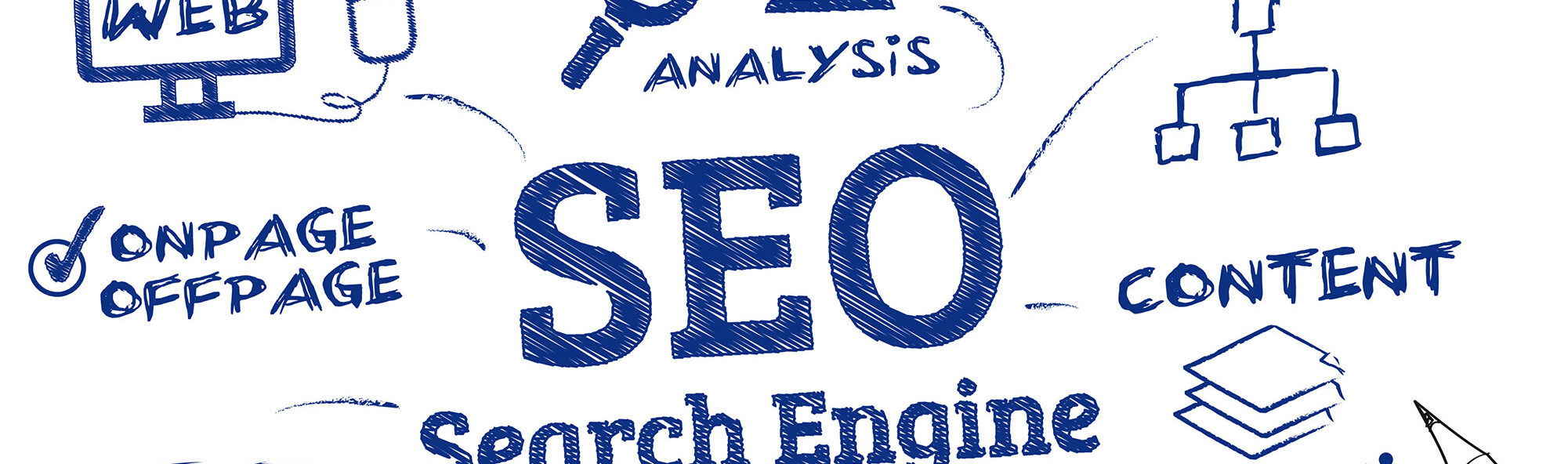
SEO includes three major components:
- On-Page SEO – optimizing content, keywords, headings, and internal links.
- Off-Page SEO – building backlinks and improving online reputation.
- Technical SEO – improving website structure, speed, and crawlability.
When these three work together, your website becomes more visible, trustworthy, and rank-worthy.
⭐ Why SEO Is Still Important in 2025
Some people believe AI or paid ads will replace SEO, but trends show the opposite. SEO remains crucial because:
1. Organic Traffic Is Free and Long-Term
Once your website ranks, it brings traffic for months or even years without extra spending.
2. Trust and Credibility
Users trust organic results more than paid ads. Ranking higher builds brand authority.
3. SEO Supports All Marketing Channels
Content marketing, social media, PR, and email marketing all benefit from strong SEO.
4. AI Search Still Depends on SEO
Even AI-powered search tools (like Google SGE) rely on optimized, high-quality website content.
⭐ How Search Engines Work (Simple Explanation)
Search engines follow three main steps:
1. Crawling
Bots scan the web to discover pages.
2. Indexing
Pages are stored in Google’s massive database.
3. Ranking
Pages are ranked based on relevance and authority.
Your goal in SEO is to make crawling and indexing easy while providing valuable content that ranks.
⭐ Keyword Research: The Foundation of SEO
Keyword research helps you understand what people are searching for and allows you to create content that answers their queries.
Types of Keywords
| Type | Example | Purpose |
|---|---|---|
| Short-tail | “SEO” | High volume, high competition |
| Long-tail | “best SEO strategies for beginners” | Lower competition, higher conversions |
| Buyer-intent | “best laptop under 50,000” | Drives sales |
| Local keywords | “best restaurant near me” | Local SEO |
Best Tools for Keyword Research
- Google Keyword Planner
- Ahrefs
- Semrush
- Ubersuggest
- Google Trends
Choose keywords with:
- Good search volume
- Low to medium competition
- High search intent
⭐ On-Page SEO Best Practices for 2025
On-page SEO involves optimizing everything on your website to make it user-friendly and relevant.
1. Write High-Quality, Helpful Content
Google rewards content that is:
- Original
- Fact-based
- Helpful
- Well-structured
Follow EEAT:
- Experience
- Expertise
- Authoritativeness
- Trustworthiness
2. Optimize Title Tags and Meta Descriptions
- Include your main keyword
- Keep it clear and attractive
- Avoid keyword stuffing
3. Use Proper Heading Structure (H1, H2, H3)
Search engines understand your content better when it’s organized.
4. Keyword Placement
Add keywords in:
- First paragraph
- Headings
- URL
- Image alt text
- Conclusion
But keep everything natural.
5. Internal Linking
Link to relevant pages to improve navigation and reduce bounce rate.
6. Image Optimization
- Use compressed images
- Add alt text
- Use descriptive file names
7. Add FAQ Section
This helps you appear in Google’s People Also Ask (PAA) section.